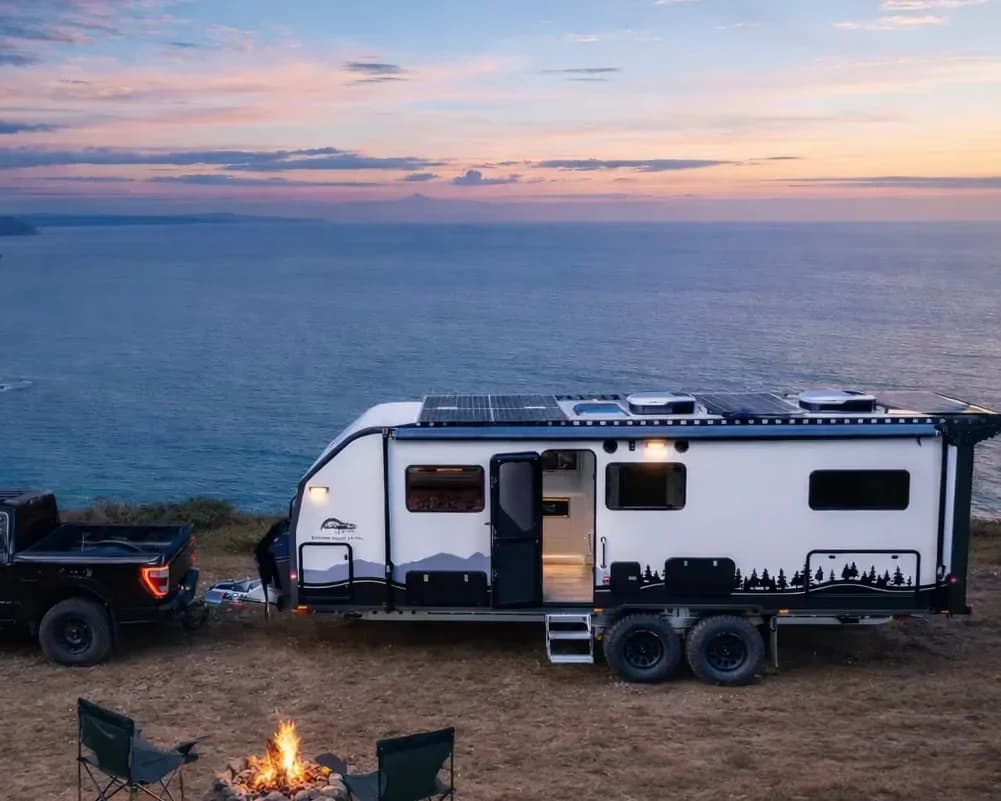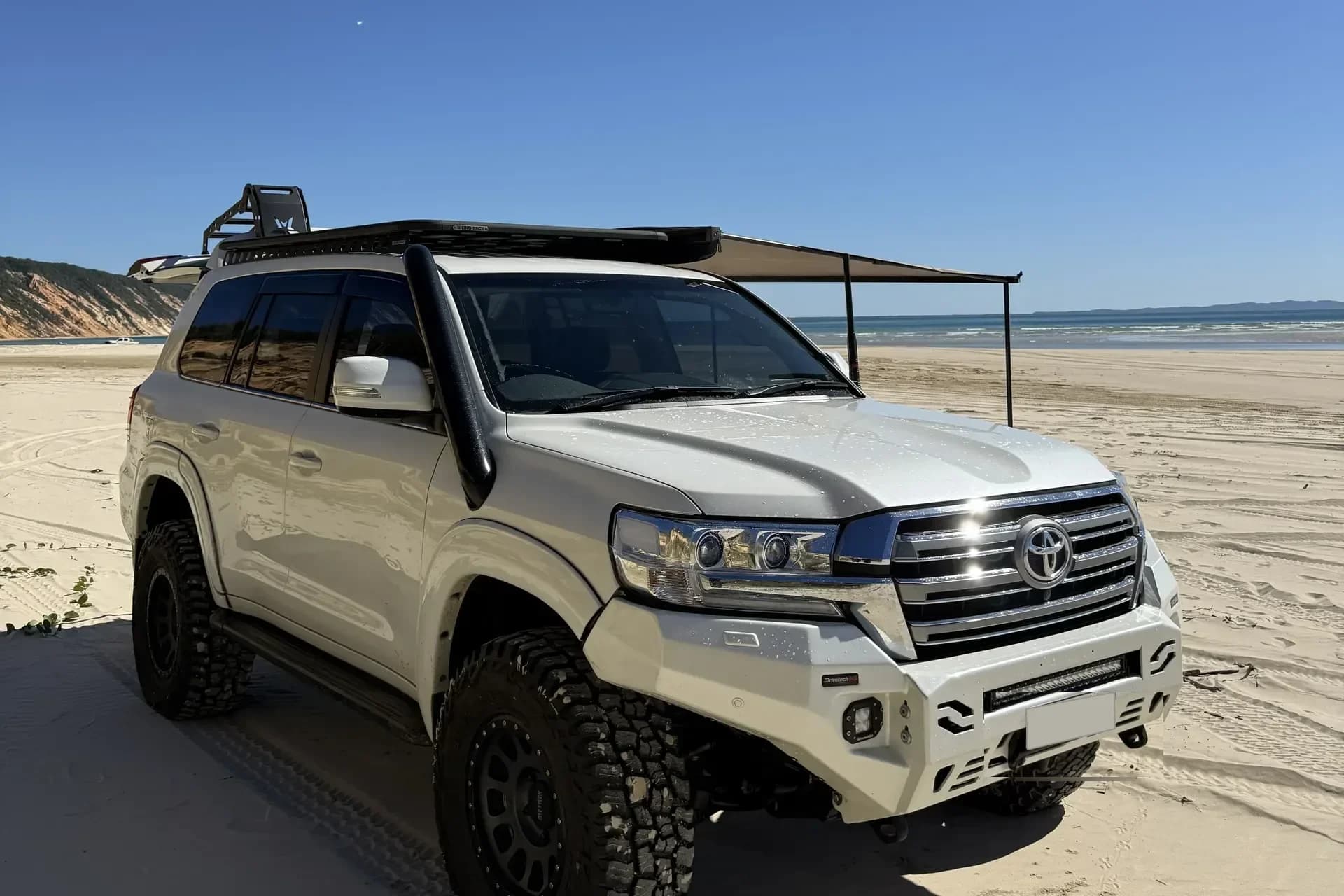
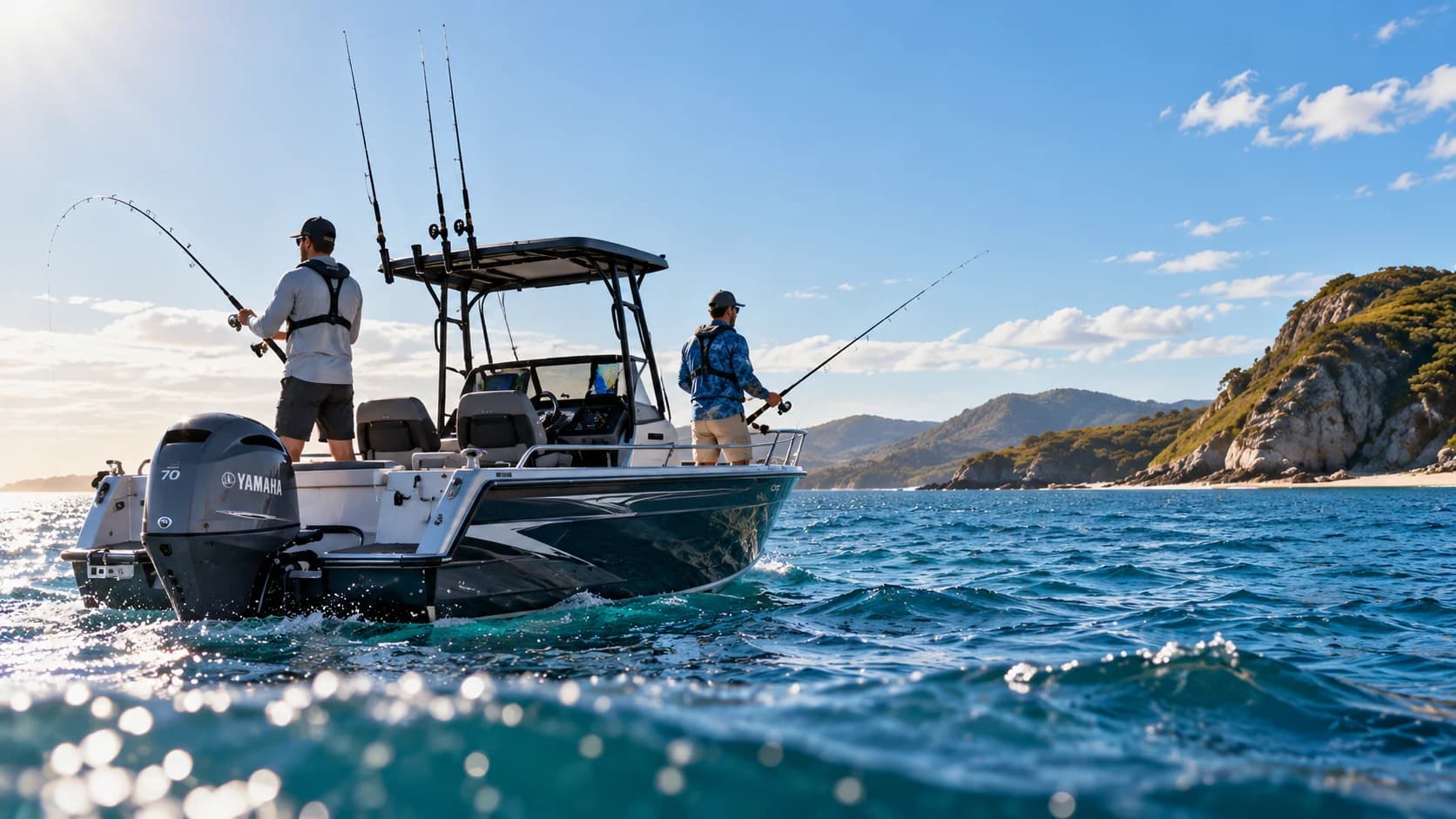
Planning a Boat for Fishing & Weekend Adventures
- Adventure Guide
- 7 min read
- 17 sections
The right boat is not simply the biggest boat that fits the budget.
It is the boat that suits where you want to launch, how far you want to travel, who comes with you and what you actually want to do once you are on the water.
A boat for sheltered estuary fishing, family days on the water and short reef overnighters can each need a different mix of size, layout, storage, electronics and comfort.
Quick Takeaway
Start with the water you will use most often and the people who will regularly be onboard.
Then work backwards into the boat size, deck layout, fishing storage, shade, electronics, power, trailer and the 4x4 that will tow it.
A boat that is easy to tow, launch, use, wash down and store is far more likely to become part of regular weekends than one that only looks perfect on paper.
Start With the Adventure
Local Weekend Adventurer
You may want a boat that is easy to tow, launch, wash down and use for a few hours or a full day on local rivers, bays or coastal waters.
Family Getaway Explorer
You may need more seating, shade, storage, easy boarding, food and drink storage and a layout that makes the day enjoyable for people who are not fishing every minute.
Long-Term Traveller
The boat may travel with the wider touring setup as a smaller trailer boat or dedicated fishing boat used during extended travel.
Towability, storage, launching access and how the boat fits with the 4x4, caravan or camper can become central considerations.
Where Will You Use the Boat?
The operating environment influences almost every major decision.
Think about whether the boat will mainly be used for:
- rivers and estuaries
- lakes and dams
- bays and sheltered coastal water
- offshore fishing
- reef trips
- family cruising
- short overnight trips
- a mix of fishing and family use
A boat that is excellent in one environment may be less practical in another.
Start with the water you will use most often rather than the occasional dream trip.
How Many People Will Really Be Onboard?
Boat size and layout feel very different once passengers, fishing gear, food, eskies and safety equipment are onboard.
Think about the regular crew rather than the maximum number of people who might come once or twice.
Consider:
- adult and child seating
- movement around the boat
- access to the bow and stern
- where fishing gear is stored
- where personal items stay dry
- how people board from a pontoon, beach or water
For family use, comfort and movement can matter as much as fishing space.
Fishing Layout
A fishing-focused boat works best when rods, tackle, bait, catch storage and electronics are positioned around the way you actually fish.
Useful questions include:
- Do you mainly cast, troll, jig or bait fish?
- Do you need clear deck space?
- Where will rods be stored while travelling?
- Where will tackle live?
- Is a livewell or bait system part of the plan?
- How will the catch be stored?
- Where will the sounder and other electronics be viewed?
- Does the layout still work when family or extra passengers are onboard?
The more specific the fishing style, the easier it is to identify which features genuinely earn their place.
Family Comfort
A boat can be a fishing platform and still be comfortable for the family.
Features that can improve everyday use include:
- shade
- supportive seating
- easy boarding
- dry storage
- food and drink storage
- accessible charging
- a simple place to prepare food
- comfortable movement around the boat
- a layout that keeps fishing equipment organised
For the Family Getaway Explorer, these creature comforts can be the difference between a boat that one person loves and a boat the whole family wants to use.
Day Boat or Short Overnighter?
Some people want a boat for day trips only. Others want the option of staying out for a night or two.
Short overnight use can introduce additional considerations around:
- shelter
- sleeping arrangements
- lighting
- refrigeration
- food storage
- water
- charging
- keeping equipment dry
The boat does not need to become a floating caravan.
The goal is to understand which comforts matter enough to include in the setup.
Storage
Storage is easy to underestimate because loose equipment quickly takes over deck and seating space.
Plan storage for:
- rods
- tackle
- safety equipment
- ropes and fenders
- anchor equipment
- food and drinks
- personal items
- wet gear
- tools and spares
- catch storage
Frequently used items need easy access, while emergency and less-used gear can occupy less convenient spaces.
Electronics
Marine electronics can range from a simple sounder and navigation setup to a more integrated system.
Planning can include:
- sounder
- chartplotter or navigation display
- VHF or other communications where relevant
- engine information
- lighting
- charging points
- battery monitoring
Choose electronics around the waters you travel and the way the boat is used rather than adding equipment simply because it appears on another build.
Navigation and communications requirements vary by operating area and jurisdiction. Current requirements need to be confirmed with the relevant authority.
Battery and Power Planning
The electrical system can support starting, electronics, pumps, lighting, refrigeration and selected accessories depending on the boat.
The appropriate battery arrangement depends on the engine, accessory loads, how long the boat operates without charging and the level of redundancy required.
Marine electrical installation and battery-system design need to be handled by appropriately qualified specialists.
Shade and Weather Protection
Australian conditions can make shade one of the most valuable comfort features on the boat.
Think about who needs shade, whether it affects fishing access, how it is stored and whether the boat will also be used in rain or changing weather.
For family use, the ability to get children and other passengers out of direct sun can be central to how long the day remains enjoyable.
Boat and Trailer Need to Be Planned Together
For trailer boats, the trailer is part of the adventure setup rather than an afterthought.
Consider:
- the actual boat-and-trailer package
- 4x4 suitability
- combined towing and vehicle loads
- launch-ramp access
- storage at home
- overall length and height
- tyres and spare wheel
- maintenance access
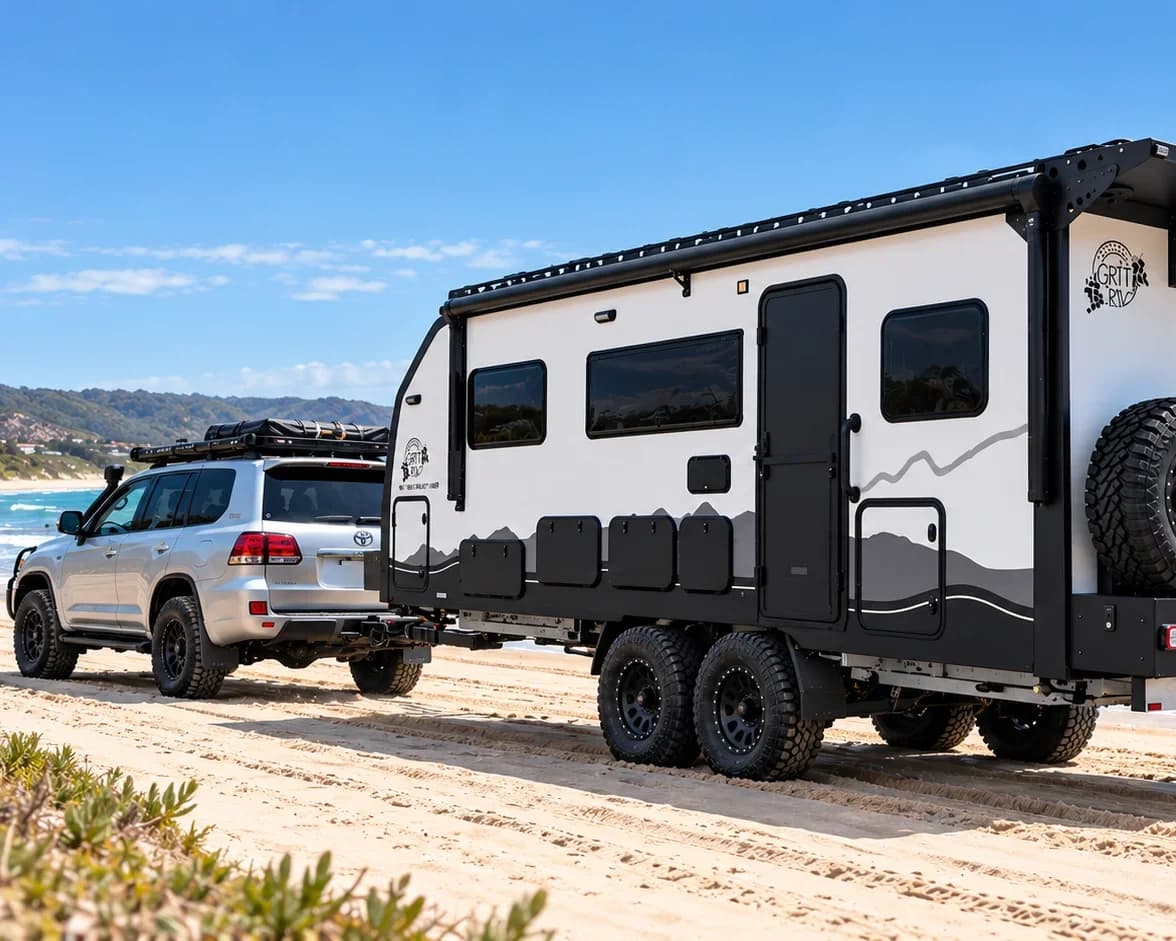
The 4x4, passengers, 4x4 accessories and boat trailer all need to fit within the relevant manufacturer and legal limits.
 Related GuideGVM vs GCM
Launching and Retrieval
A boat that is easy to launch tends to get used more often.
Think about whether you normally launch alone, with a partner or with the whole family, and whether the ramps you use are busy, steep, shallow or exposed.
Boat, trailer and 4x4 selection can all affect how confident and practical launching feels.
Storage at Home
Before committing to the boat, think about where it will live.
Check practical issues such as:
- overall trailer length
- boat height
- garage or side access
- turning space
- driveway slope
- security
- wash-down access
- battery charging access
The perfect boat on the water can become frustrating if storing and preparing it at home is difficult.
The Boat as Part of a Touring Setup
For some Long-Term Travellers, a smaller boat becomes part of the broader touring lifestyle.
This can involve towing or carrying the boat alongside a 4x4, caravan or camper setup, which introduces additional considerations around total weight, storage, launch access and how much equipment is being carried across the complete adventure setup.
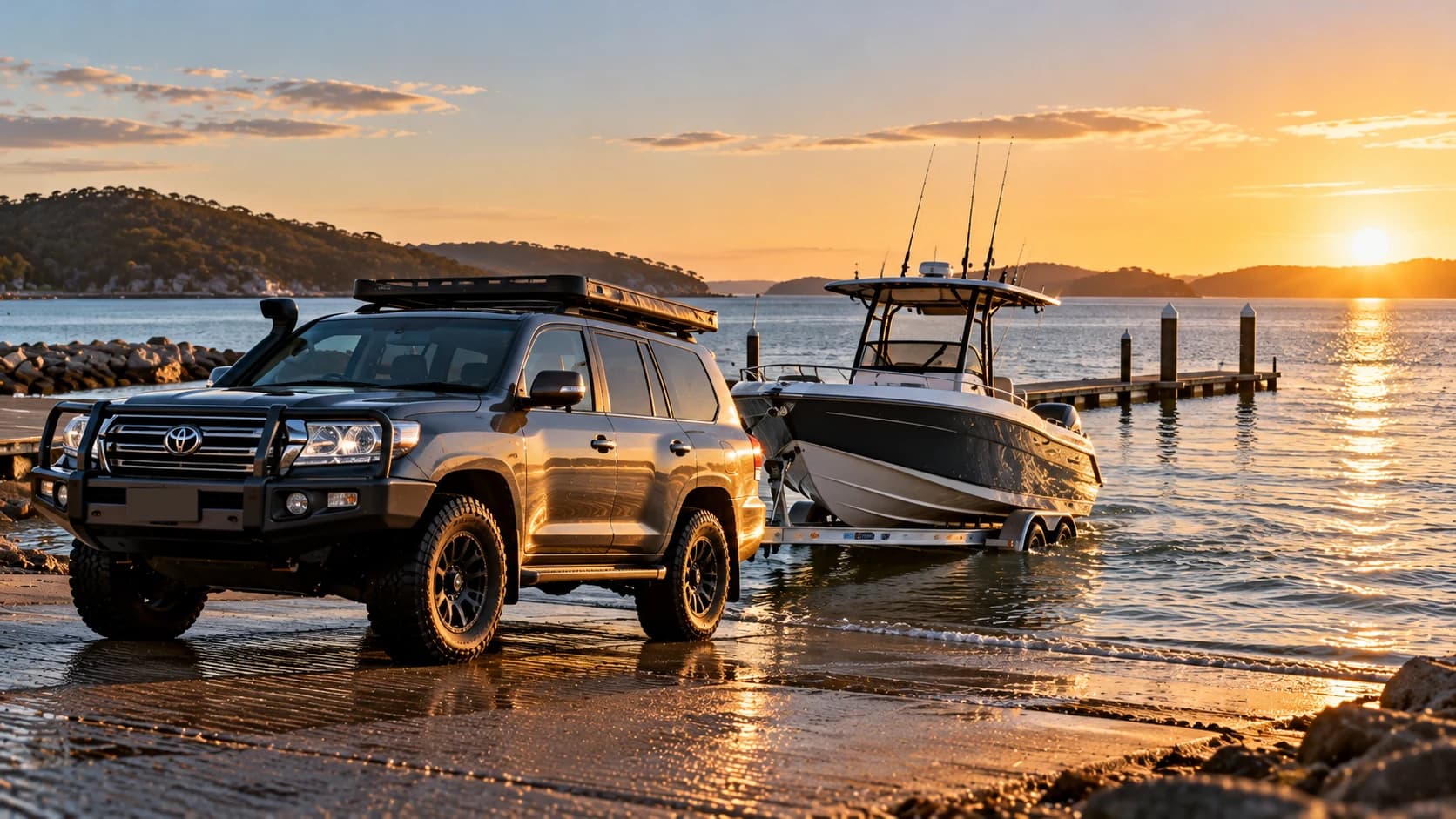
Plan the boat alongside the rest of the touring setup rather than adding it at the end.
Boat Planning Checklist
Tick it off as you plan
Questions to Ask Before Choosing the Boat
Where will I use the boat most often?
How many people will regularly come with me?
Is fishing or family cruising the stronger priority?
What fishing style does the layout need to support?
How much clear deck space do I need?
How much shade matters?
Do I want short overnight capability?
Where will rods, tackle and safety gear live?
What electronics are genuinely useful for my boating?
What battery and charging setup is required?
What is included in the trailer package?
Can my 4x4 support the real boat-and-trailer setup?
Can I launch and retrieve it comfortably at the ramps I use?
Can I store it practically at home?
Real-World Planning Lesson
The best boat is not automatically the biggest boat.
A smaller trailer boat that is easy to tow, easy to launch, easy to wash down and easy to store may get used far more often than a larger setup that creates friction every time you want to go fishing.
The same applies to accessories.
Every extra seat, battery, storage system, electronics package and comfort feature needs to earn its place in the way you actually use the boat.
Key Takeaways
- Choose the boat around where and how you will use it.
- Plan for the regular crew, not the occasional maximum.
- Balance fishing layout with family comfort where both matter.
- Storage, shade and easy access can have a major impact on day-to-day use.
- Plan electronics and power around the real operating environment.
- Treat the boat and trailer as one package.
- Check the 4x4 and the real loaded setup together.
- Think about launching and home storage before purchase.
- Keep marine safety, licensing and technical requirements with current manufacturer and authority guidance.
Common Questions
What size boat is best for fishing?
There is no universal size. The right boat depends on where you fish, how many people travel, the conditions you operate in, how the boat is stored and what the 4x4 can support.
Can a fishing boat also work for family days?
Yes. Seating, shade, storage, easy boarding and a layout that keeps fishing equipment organised can make a fishing-focused boat much easier for the whole family to enjoy.
Do I need an overnight-capable boat?
Only if overnight trips are genuinely part of the plan. Shelter, sleeping, water, power, lighting and storage can add complexity, so include them where they support the way you will actually use the boat.
Do I need a separate battery for accessories?
It depends on the boat, engine and electrical loads. A qualified marine electrical specialist can help design a suitable starting and accessory-power arrangement.
Does the trailer matter when choosing the boat?
Yes. The trailer affects towing, launching, home storage and maintenance, so the boat-and-trailer package needs to be considered together.
Can the boat be part of a long-term touring setup?
Yes. Smaller boats can form part of a broader touring setup, but towing, carrying, storage and the overall 4x4-and-trailer combination need to be planned carefully.
Finance Your Adventure
If the boat plan has moved from research into a real purchase decision, Adventure Finance is the separate specialist finance pathway. Built for Adventure keeps this Guide focused on choosing and planning the boat itself. Questions about pre-approval, lender criteria, rates, terms or financing the boat-and-trailer package belong with Adventure Finance.