
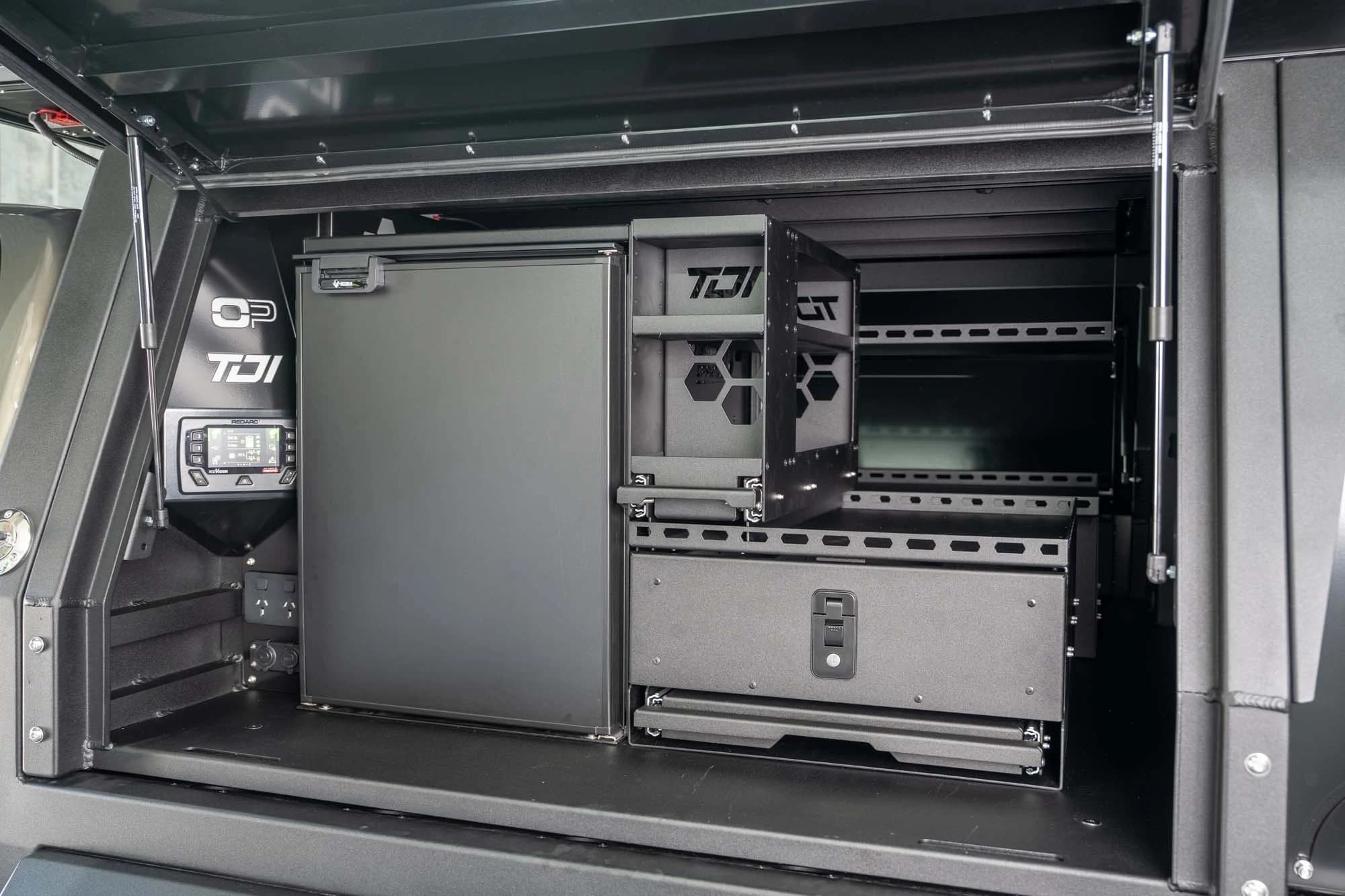
Weekend Touring Setup Guide: What Do You Really Need?
- Adventure Guide
- 8 min read
- 20 sections
A good weekend touring setup makes it easier to finish work, load the fridge, throw in a bag and get away.
It does not need every accessory available.
The most useful setup is often the one that is reliable, easy to pack, quick to set up and simple enough that getting away for one or two nights still feels effortless.
Quick Takeaway
Build around the trips you actually take most often.
For weekend touring, simple usually works: organised storage, refrigeration, basic power, water, sleeping, shade and recovery gear suited to the places you go.
Leave room for the setup to evolve after you have used it.
Do not accidentally build a long-term touring setup if most of your adventures are one or two nights.
Build Around the Trips You Take Most
Start with the adventures that happen regularly, not the once-a-year trip that may require a completely different setup.
Common weekend use can include:
- beach camping
- national-park camping
- fishing weekends
- overnight trips with mates
- short family escapes
- day trips that occasionally become an overnighter
- camping close enough to resupply if needed
If most trips are one or two nights, the 4x4 can stay lighter and simpler than a setup designed to live off-grid for weeks at a time.
The Local Weekend Adventurer
The Local Weekend Adventurer wants the freedom to use the 4x4 often.
The priorities are commonly:
- easy loading
- quick camp setup
- reliable refrigeration
- simple power
- useful storage
- recovery equipment
- comfortable sleeping
- shade
- water
- room for fishing or other weekend gear
The 4x4 may still be commuting, parking at the shops, carrying passengers and doing normal weekday duties, so everyday practicality can matter just as much as weekend capability.
Start With the 4x4
A weekend touring build does not require a premium or highly modified 4x4.
Many mainstream 4x4s can form the basis of a practical weekend setup when the vehicle, equipment and intended use are planned together.
Before adding equipment, consider:
- passenger requirements
- daily driving
- towing plans
- storage needs
- expected terrain
- roof and vehicle load capacity
- whether a tray or canopy is part of the plan
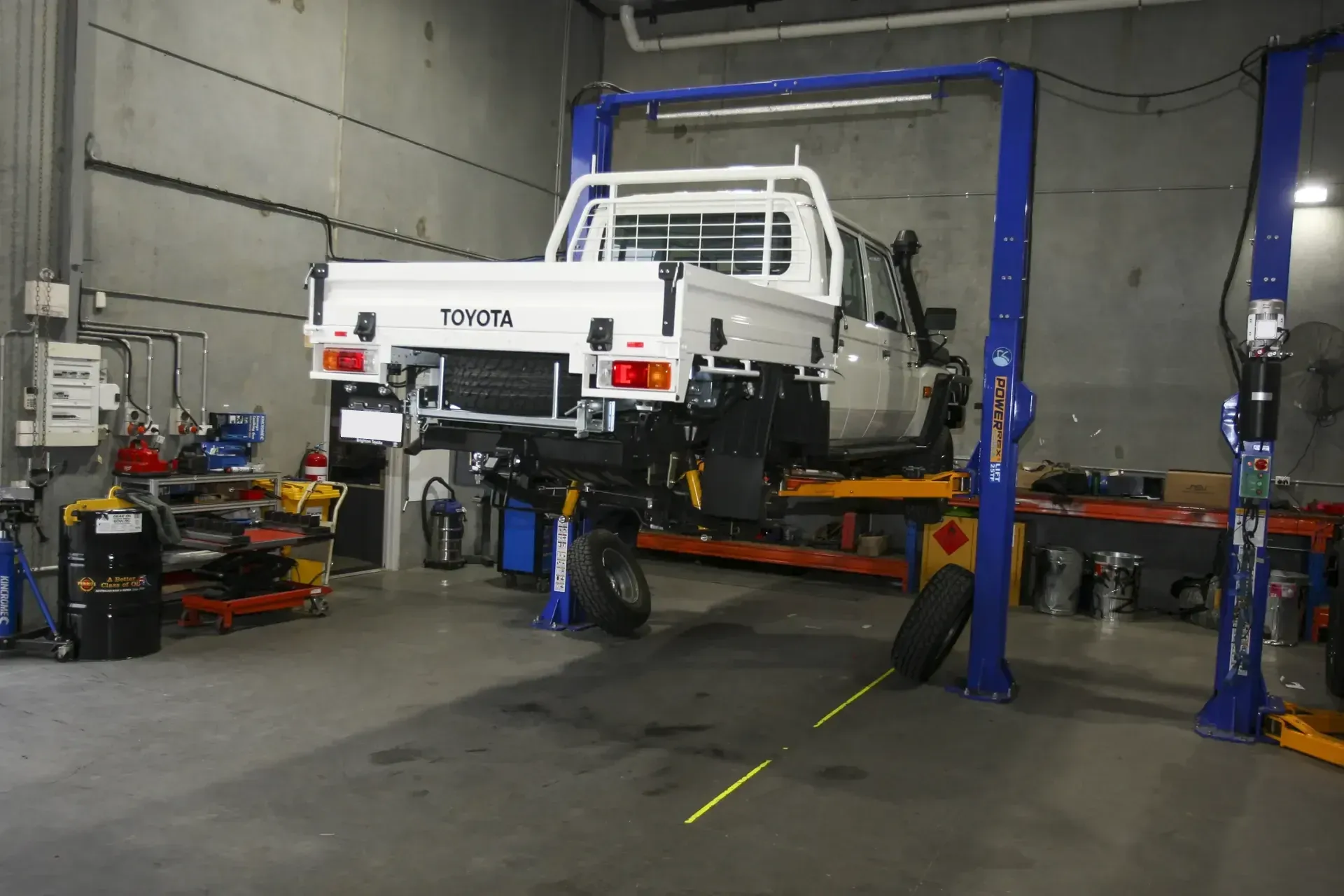 Related GuideHow Much Does a 4x4 Build Cost?
Storage: Make Packing Easier
Good storage reduces the amount of decision-making required before every trip.
The aim is to give frequently used gear a predictable place while leaving enough open space for the things that change from trip to trip.
Useful categories can include:
- food and cooking gear
- recovery equipment
- tools
- camp chairs and table
- sleeping gear
- fishing gear
- wet or dirty equipment
- personal bags
Avoid filling every available space with permanent drawers or compartments if flexible storage is more useful for the way you travel.
Fridge and Food
A fridge can become one of the most useful additions to a weekend touring 4x4.
Placement matters. The fridge needs easy access, suitable ventilation, secure mounting and a power supply that matches the way the 4x4 is used.
For short trips, keep the food system simple enough that packing and unpacking does not become a major exercise.
Simple Power
Weekend touring often needs less electrical complexity than long-term remote travel.
Common needs can include:
- fridge
- camp lights
- phone charging
- camera or drone charging
- small water pump
- communications equipment
Start with the actual loads and let a qualified installer design the battery, charging and protection system around them.
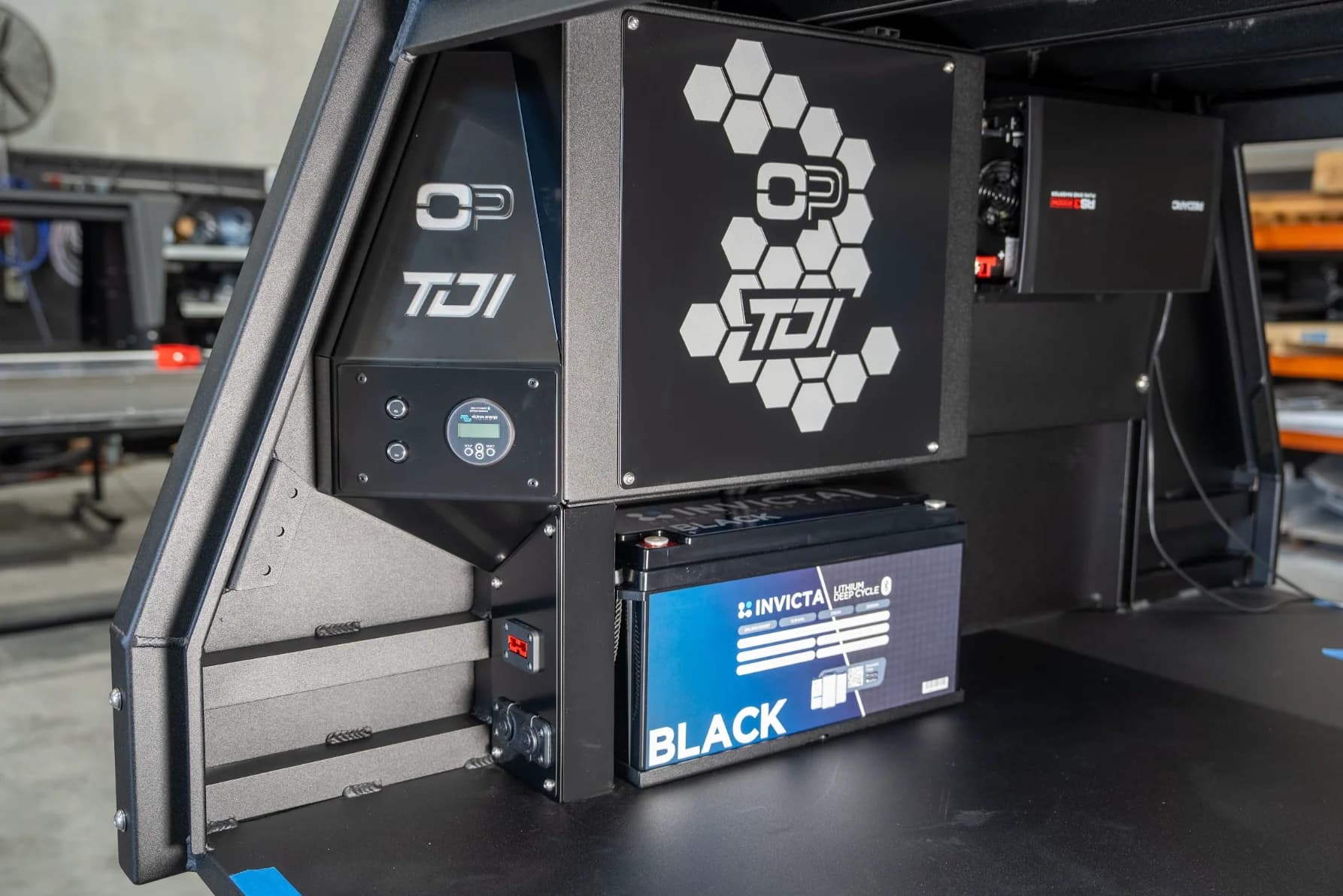 Related GuideLithium Battery Setup for Touring
Solar: Useful, but Not Automatically Essential
Solar can add value when the 4x4 stays parked for longer periods, particularly if the fridge and other loads continue running.
For a weekend setup where the 4x4 is driven regularly, solar needs may be different from a long-term touring build.
Fixed solar, portable solar or no solar can all be reasonable outcomes depending on the travel pattern and electrical demand.
Water
A simple water system can make weekend trips more comfortable without taking over the build.
Think about:
- drinking water
- cooking
- basic washing
- hand cleaning
- fishing or beach use
- whether the water container or tank can be easily refilled
Water adds weight, so carrying capacity belongs in the 4x4's broader payload plan.
Sleeping Setup
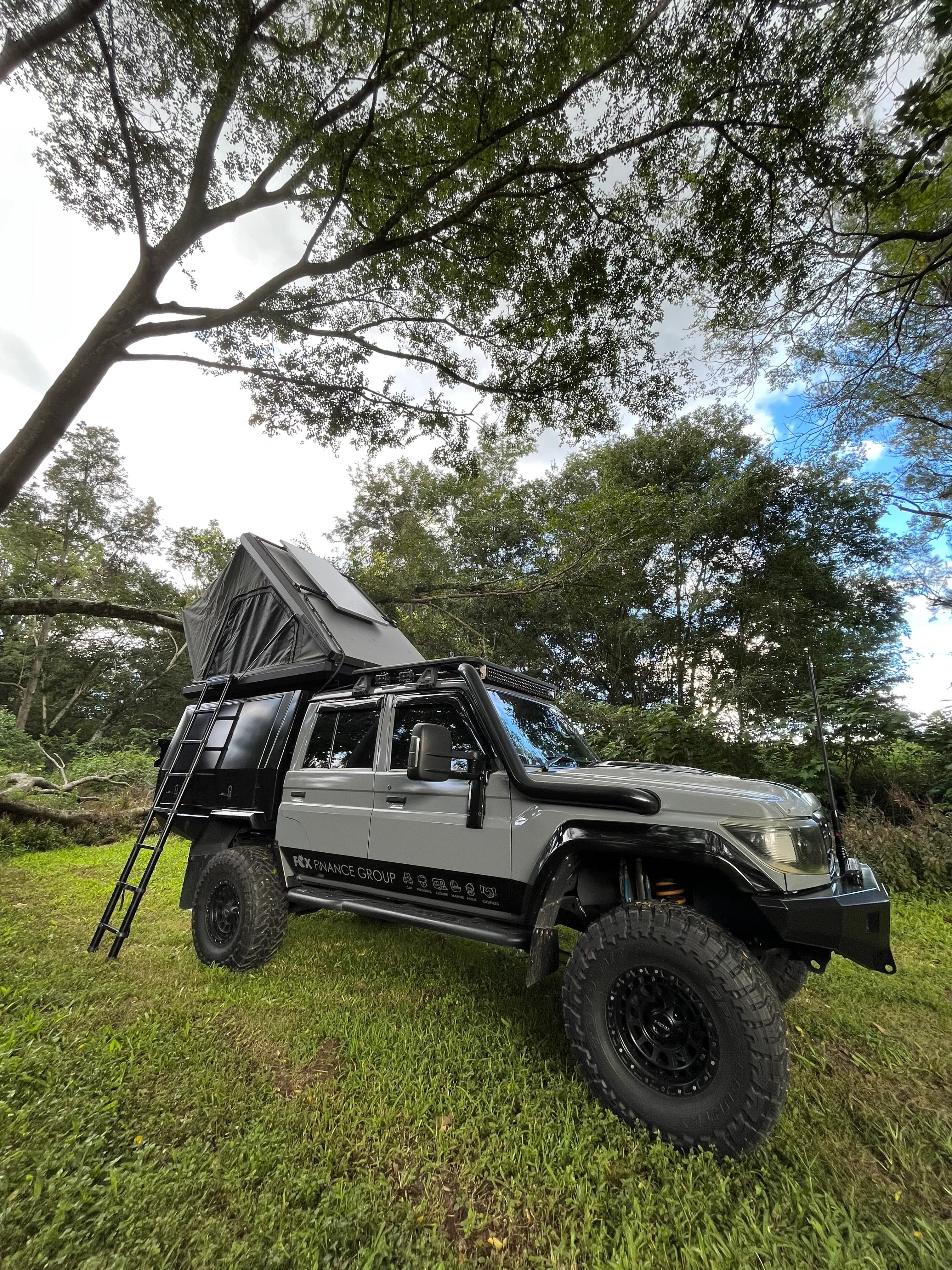
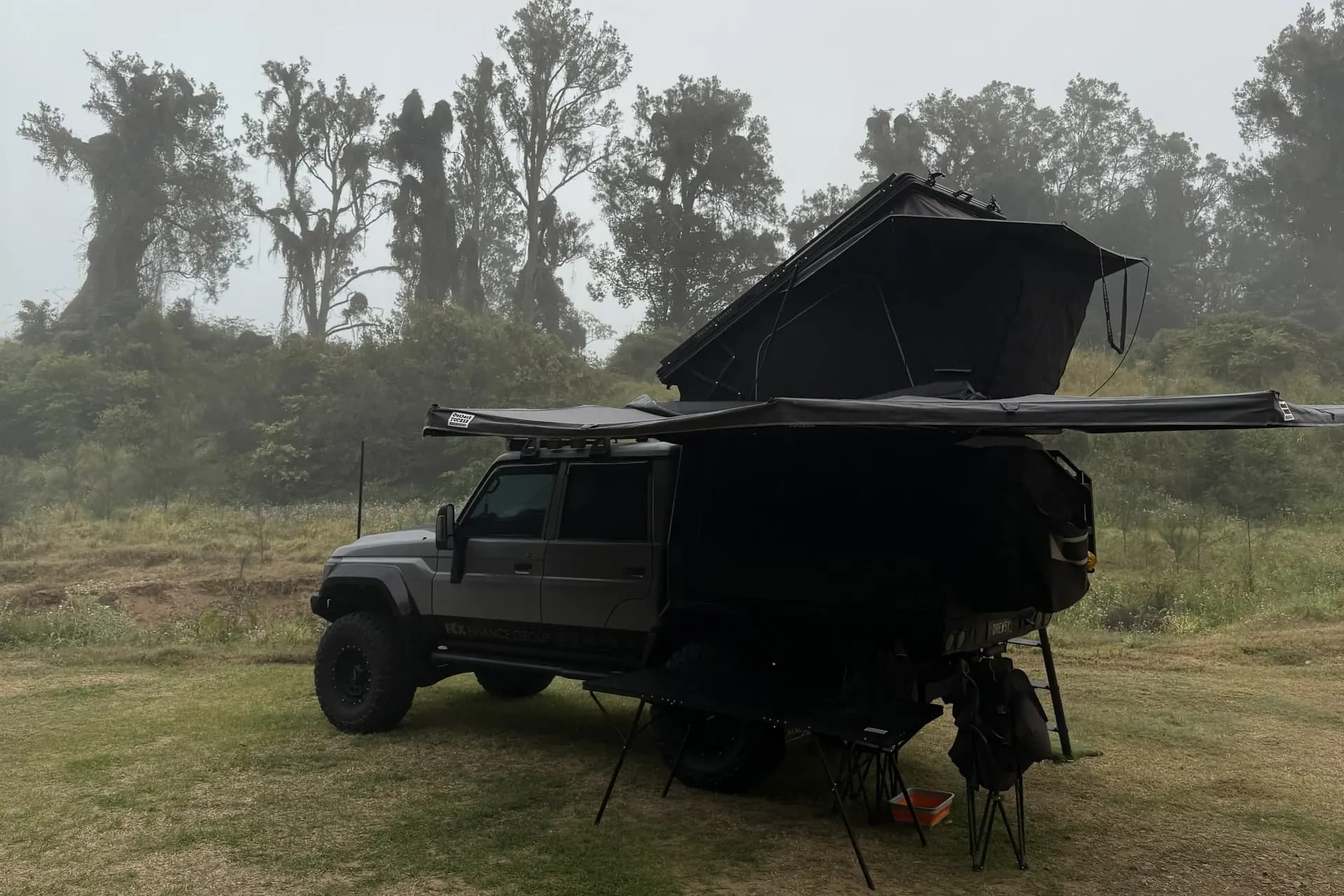
Sleeping arrangements can range from a swag or ground tent through to a rooftop tent or camper.
For frequent short trips, setup speed can be more valuable than having the largest possible sleeping system.
Think about:
- how quickly the sleeping setup opens
- how quickly it packs away
- where bedding lives
- wet-weather setup
- comfort
- whether the 4x4 needs to drive away after camp is established
 Related GuideRooftop Tents & Awnings
Shade and Shelter
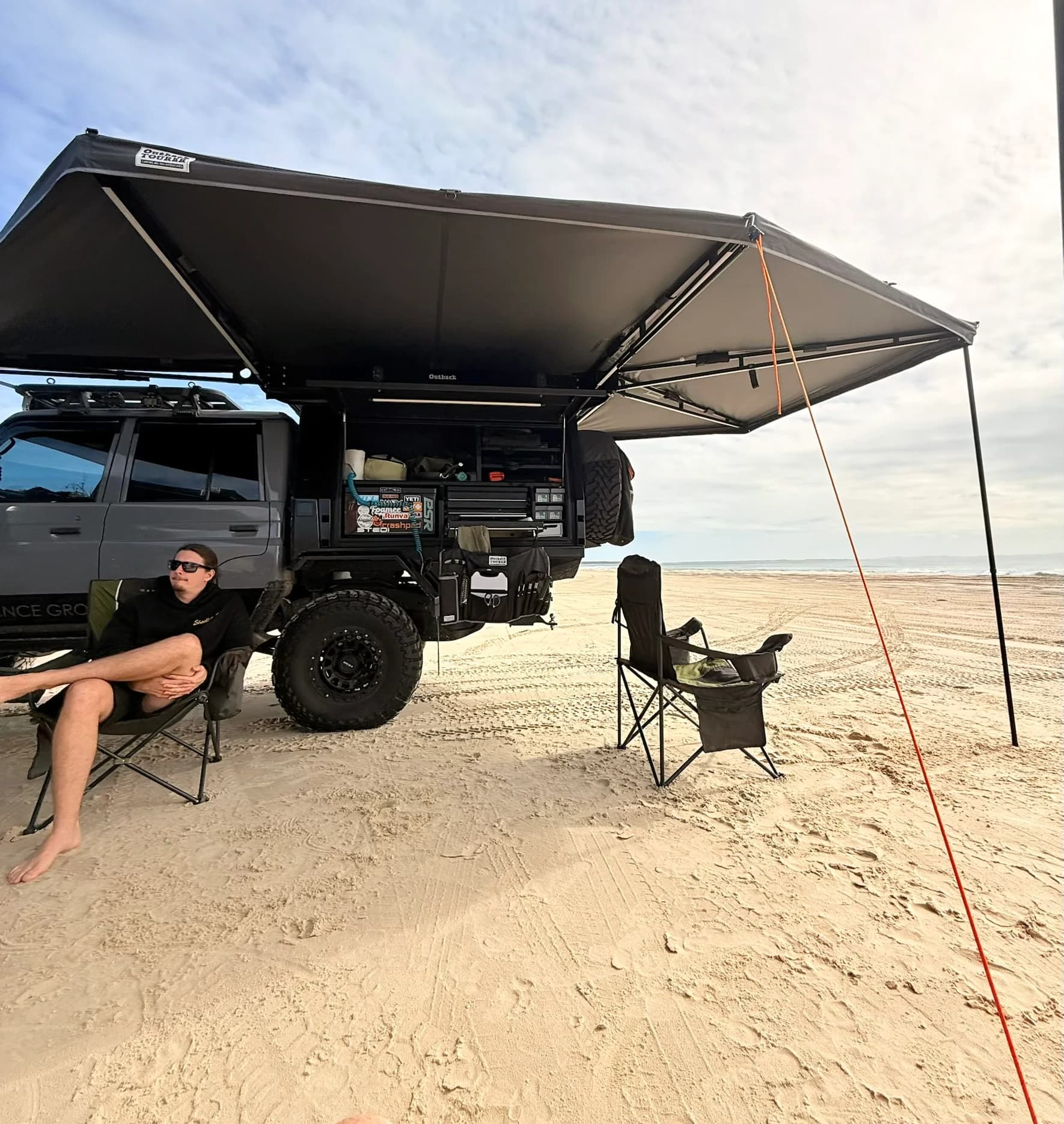
Awnings, gazebos and other shelter can make a short campsite much more comfortable.
Choose the amount of coverage around the way you use camp: cooking, sitting, accessing the fridge or keeping the family out of the sun.
A larger shelter is not automatically better if it adds significant setup time for an overnight trip.
Cooking Without Overbuilding the Kitchen
Weekend cooking can stay simple.
The most useful setup is one that lets you access food, water and cooking equipment quickly without unloading half the 4x4.
Plan around:
- fridge access
- food storage
- a basic preparation surface
- cooking equipment
- lighting
- water
- where hot or dirty equipment goes afterwards
A permanent slide-out kitchen can be useful for some builds, while a compact removable setup can preserve more flexibility for others.
Recovery Gear and Tools
Weekend trips can still involve sand, rough tracks, mud or remote sections.
Carry recovery equipment and tools that match the places you travel, and keep them secured and accessible.
Recovery techniques and equipment use can involve significant risk. Training, product instructions and appropriate recovery practices belong with qualified providers and the relevant equipment guidance.
Tyres, Suspension and 4x4 Capability
Tyres, suspension and other capability upgrades can be useful when they solve a real requirement created by terrain, load or towing.
The build does not need to start with every possible modification.
You can begin with the 4x4, use it, learn what limits the weekend experience and then add the upgrades that genuinely improve it.
Weight and Payload
Weekend gear still adds up.
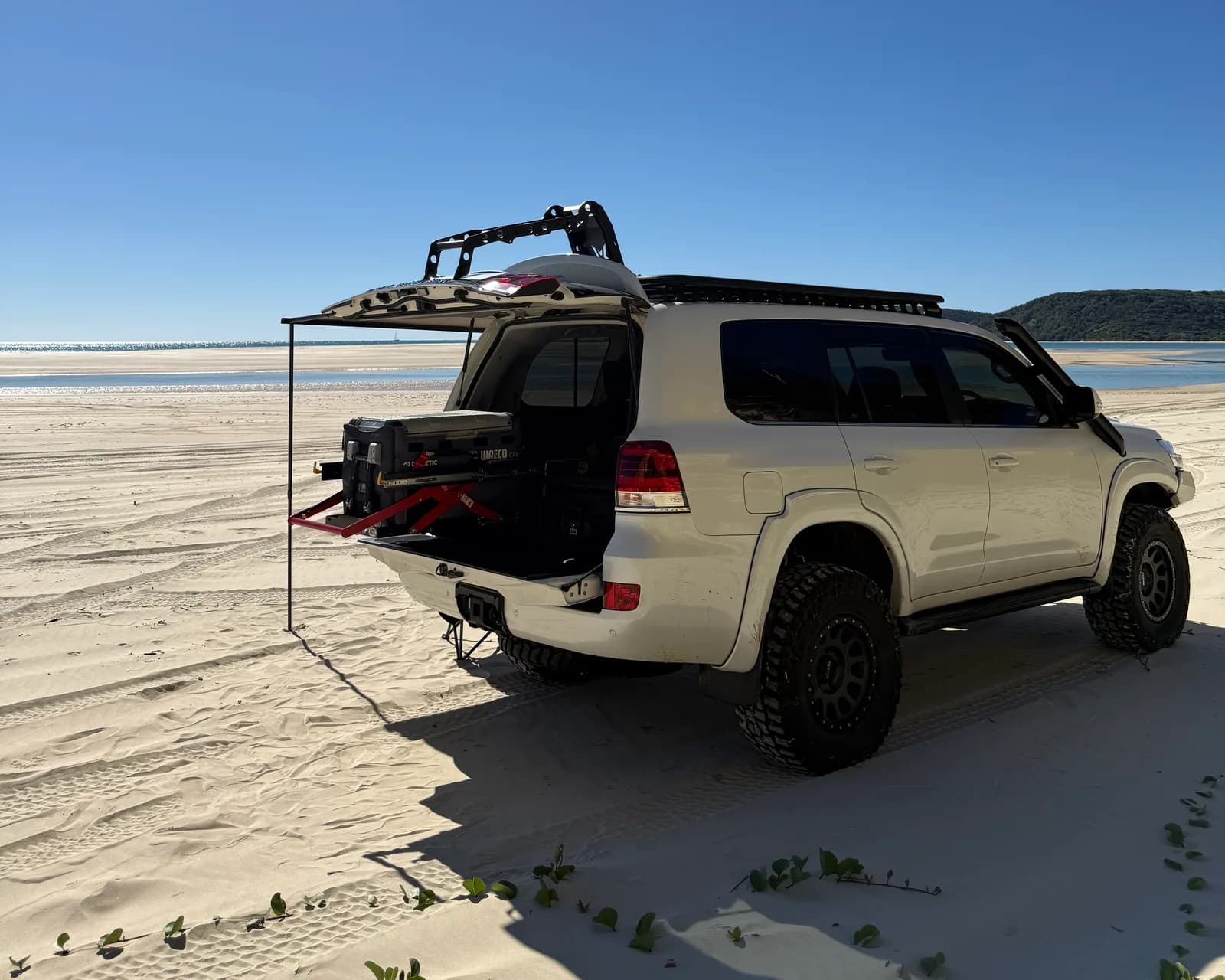
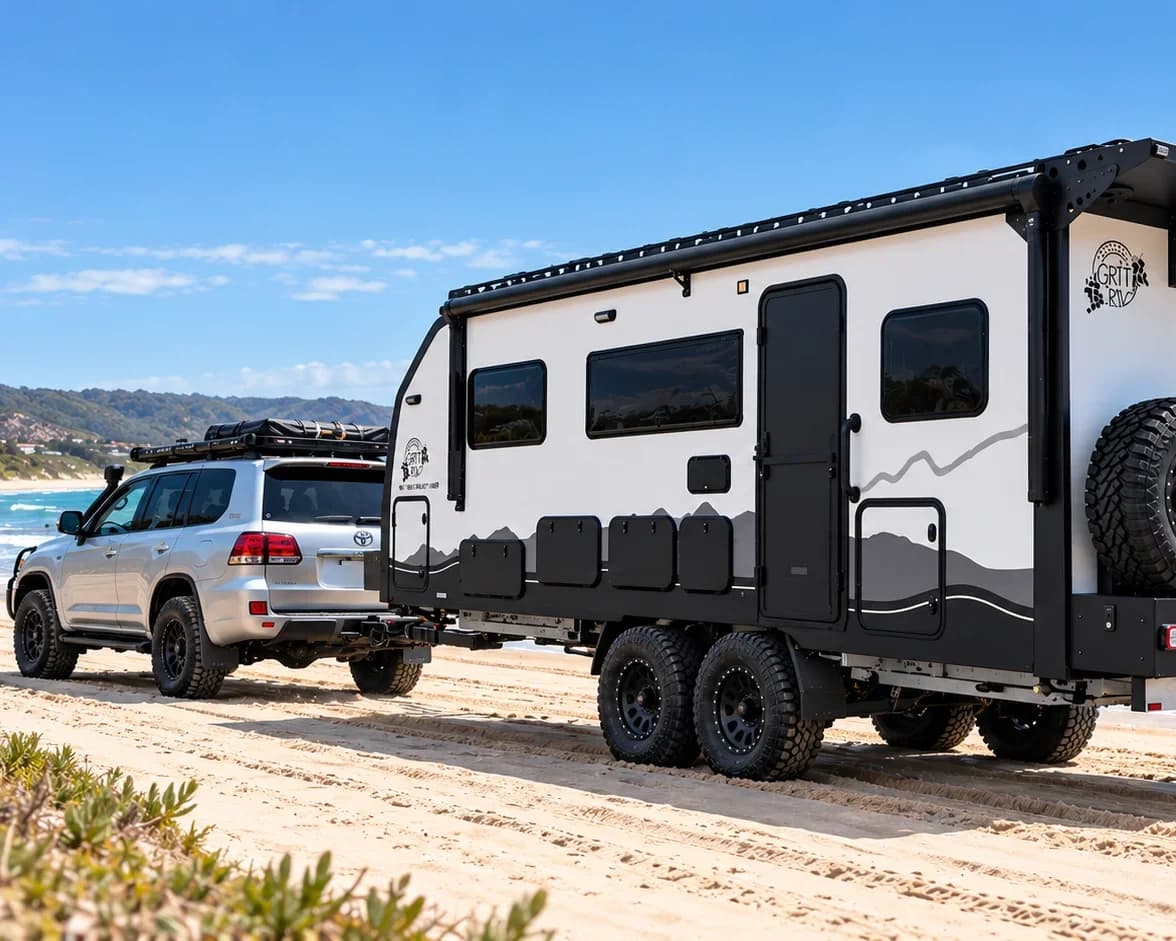
Passengers, fuel, fridge, storage, batteries, water, rooftop tent, awning, tools and recovery equipment all contribute to the 4x4's loaded mass.
Planning weight early helps keep the build practical and can reduce the chance of discovering later that too much payload has already been consumed by permanent accessories.
 Related GuideGVM Upgrades
 Related GuideGVM vs GCM
Keep Everyday Use in the Plan
A weekend adventure 4x4 may still commute, park at the shops, carry passengers and do school or work duties during the week.
Consider:
- 4x4 height
- rear visibility
- parking
- access to the tray, canopy or rear storage
- seat and passenger space
- fuel use
- how much permanent gear stays in the 4x4
A build that remains easy to live with during the week is more likely to be used regularly on weekends.
Pack So Friday Afternoon Is Easy
One of the best weekend-touring systems is having the repeat-use gear already organised.
A simple approach is to keep dedicated groups for:
- cooking
- sleeping
- recovery
- lighting
- food storage
- washing
- fishing or activity-specific gear
That turns trip preparation into restocking rather than rebuilding the entire loadout every time.
This is one of the strongest Built for Adventure ideas for the Local Weekend Adventurer: reduce the friction between deciding to go and actually leaving.
Do Not Build the Big-Lap Rig by Accident
It is easy to keep adding equipment because each individual accessory looks useful.
But a weekend setup can become heavier, more expensive and harder to use if it is designed for every possible future scenario.
Build for the trips happening now, while leaving sensible room to evolve later.
If most adventures are one or two nights, ask whether the next upgrade solves a real weekend problem before making it permanent.
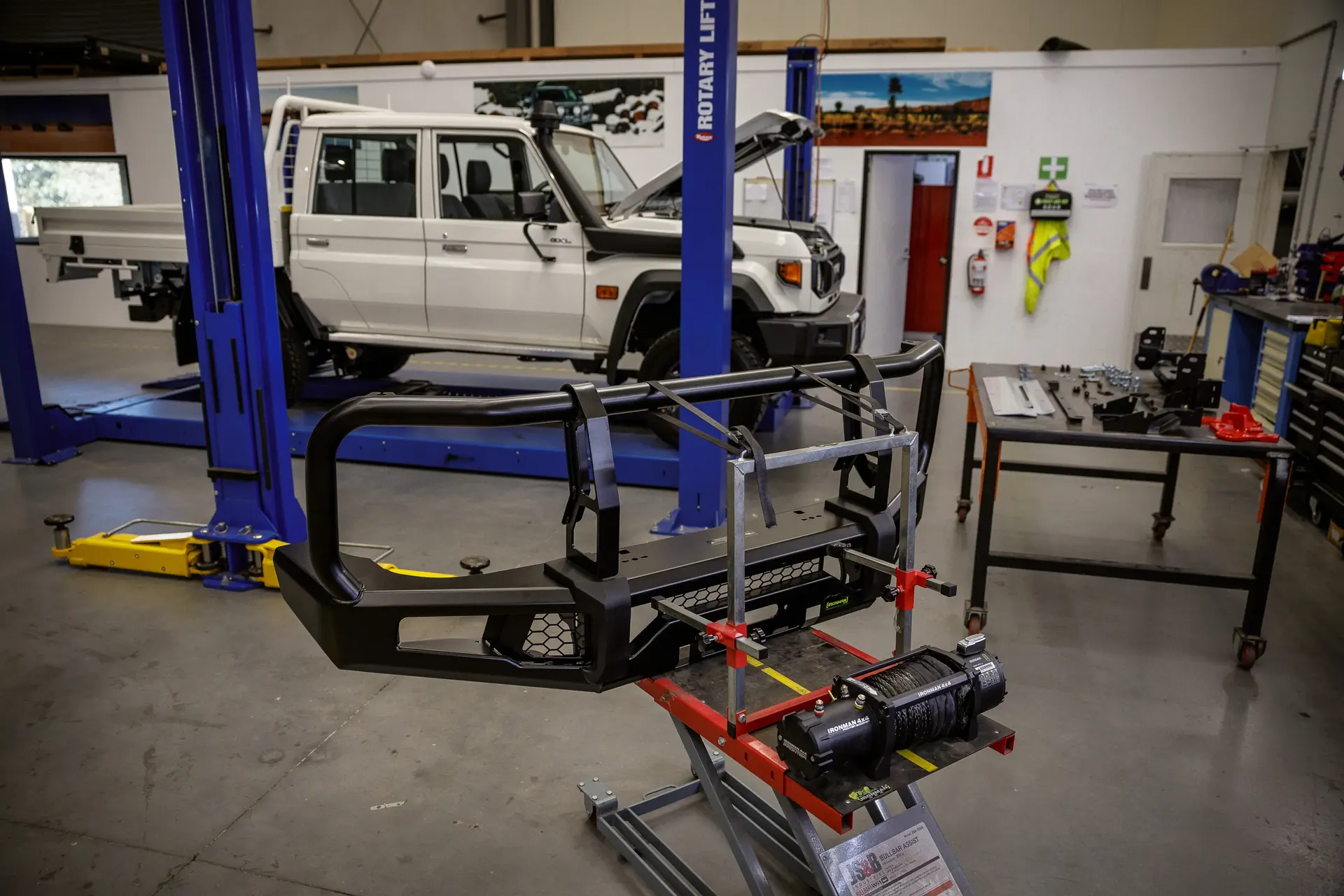
Complete Build or Staged Build?
A staged approach can work particularly well for weekend touring.
Start with the 4x4, storage, refrigeration, sleeping, basic power and the equipment needed for the next trips. Then use the setup and see what would genuinely improve it.
A complete build can still make sense when the final layout is already clear and multiple systems need to be integrated from the beginning.
 Related GuideComplete 4x4 Build vs Staged Build
Weekend Touring Setup Checklist
Tick it off as you plan
Questions to Ask Before Adding Another Upgrade
Will I use this on most weekend trips?
Does it make setup or pack-down easier?
Does it solve a real problem I already have?
Where will it live?
How much permanent space does it consume?
How much weight does it add?
Does it affect another part of the build?
Does it make the 4x4 harder to use during the week?
Could a removable option work better?
Is this needed now or can it wait until I have used the setup more?
Does it fit the eventual direction of the 4x4?
Have I included it in the whole project budget?
Key Takeaways
- Build for the trips you actually take most often.
- Keep the setup simple enough that getting away remains easy.
- Prioritise storage, refrigeration, power, water, sleeping and shelter.
- Keep everyday 4x4 use in the plan.
- Do not fill every space or add every accessory at the beginning.
- Use a staged build where real-world use can guide later upgrades.
- Plan weight and payload from the start.
- Organise repeat-use gear so Friday-afternoon packing is fast.
- Map the whole setup before major permanent additions.
- The best weekend setup is the one you actually use.
Drewsy's 79: A Real Weekend Setup
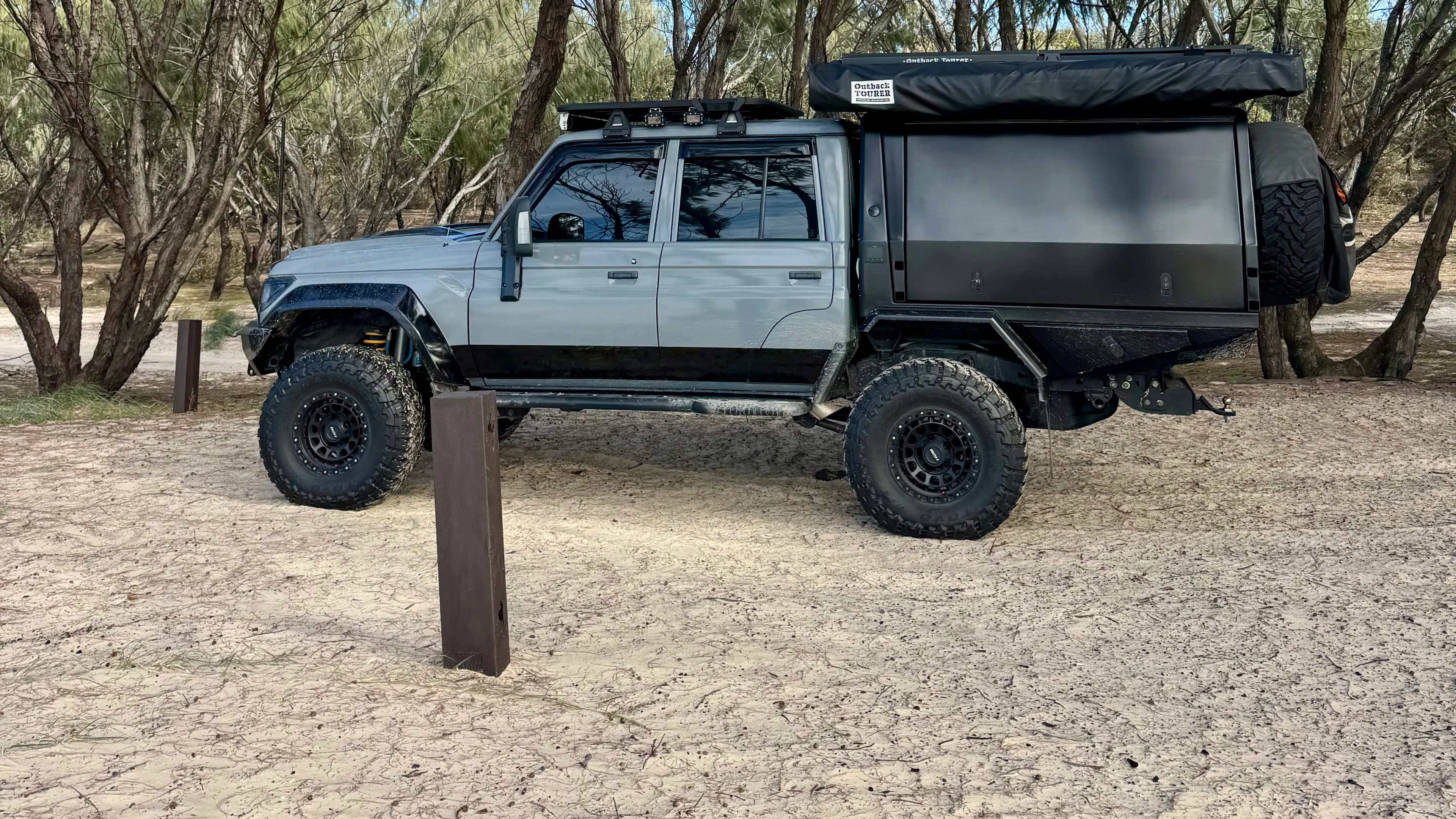
Drewsy's 79 gives Built for Adventure a real example of how a heavily equipped 4x4 can still be judged by one practical question: how easy is it to actually use?
Weekend content can show how the canopy is packed, how quickly the rooftop tent and awning go up, where the fridge and cooking gear live, what stays permanently in the 4x4 and what gets loaded only for specific trips.
It also gives us a place to be honest about which equipment earns its space and which parts of the setup change after more real-world use.
Follow @drewsys79Common Questions
What do I really need for weekend 4x4 touring?
Start with reliable storage, refrigeration, simple power, water, sleeping, shelter and recovery equipment suited to the trips you actually take. Add complexity only where it solves a real use case.
Do I need a full canopy for weekend trips?
No. A canopy can provide secure and organised storage, but a tray, drawer system or removable storage may suit some 4x4s and trip styles better.
Do I need lithium for weekend camping?
Not automatically. Battery chemistry and capacity depend on the loads, charging strategy and travel pattern. A qualified installer can help match the system to the actual use.
Do I need solar for a weekend setup?
Not in every setup. Solar can add value when the 4x4 remains parked and electrical loads continue, while travellers who drive regularly may have different charging needs.
Is a rooftop tent better for short trips?
It can be useful where quick, repeatable sleeping setup matters, but ground tents, swags and other options may provide more flexibility depending on the traveller.
Do weekend touring accessories affect GVM?
Yes. Permanent and carried equipment all contribute to the 4x4's loaded mass and belong in the payload planning conversation.
Is it better to build everything at once?
Not always. Weekend touring can suit a staged build because using the 4x4 helps reveal which upgrades genuinely improve the experience.
Finance Your Adventure
If the weekend setup has moved from ideas into a real 4x4 or build purchase, Adventure Finance is the separate specialist finance pathway. Built for Adventure keeps this Guide focused on making the setup easier to use. Questions about pre-approval, lender criteria, rates, terms or financing the 4x4 and eligible build costs belong with Adventure Finance.